Welcome to Solar Village

Join Us

We need to switch to 100% renewable resources by 2020. Together we can make this happen.

Free Downloads

Documentary videos include Wilson Natural Home (25 minutes), The Solar Village (45 minutes), and Hope for a Change: Renewable Energy (60 minutes, featuring Dr. David Suzuki, Dr. Hermann Scheer, and Chris Turner).

Member Login

 
 Forgot your password?

Not a member yet? Sign Up!

 
Solar Village


TD Canada Trust Renewable Energy
5 benefits of going solar

Why install solar panels on your home? The following is based on material available from TD Canada Trust. Here are five good reasons according to TD Canada Trust, one of the big five banks in Canada:

  1. You can increase the value of your home. A home that costs less to run may be worth more.
  2. They're low-maintenance. Solar panels require little maintenance and typically last more than 25 years.
  3. You can reduce your energy footprint and impact on the environment. Solar power is a renewable, natural energy source that is non-polluting.
  4. You'll be diversifying our energy supply. To meet increasing energy demands, Canadians need to diversify our energy supplies beyond conventional sources such as oil, coal and gas.
  5. You can save money. By installing solar panels you will reduce the energy that you use from the electrical grid, which means you don't have to buy as much (this is not the case with the Ontario FIT and MicroFIT programs...they simply pay for every kilowatt you produce at a high premium). In some provinces you can even sell your solar-produced power to your utility provider, earning money for the energy you produce (this is the case for the Ontario FIT and MicroFIT programs).
How do solar panels work?

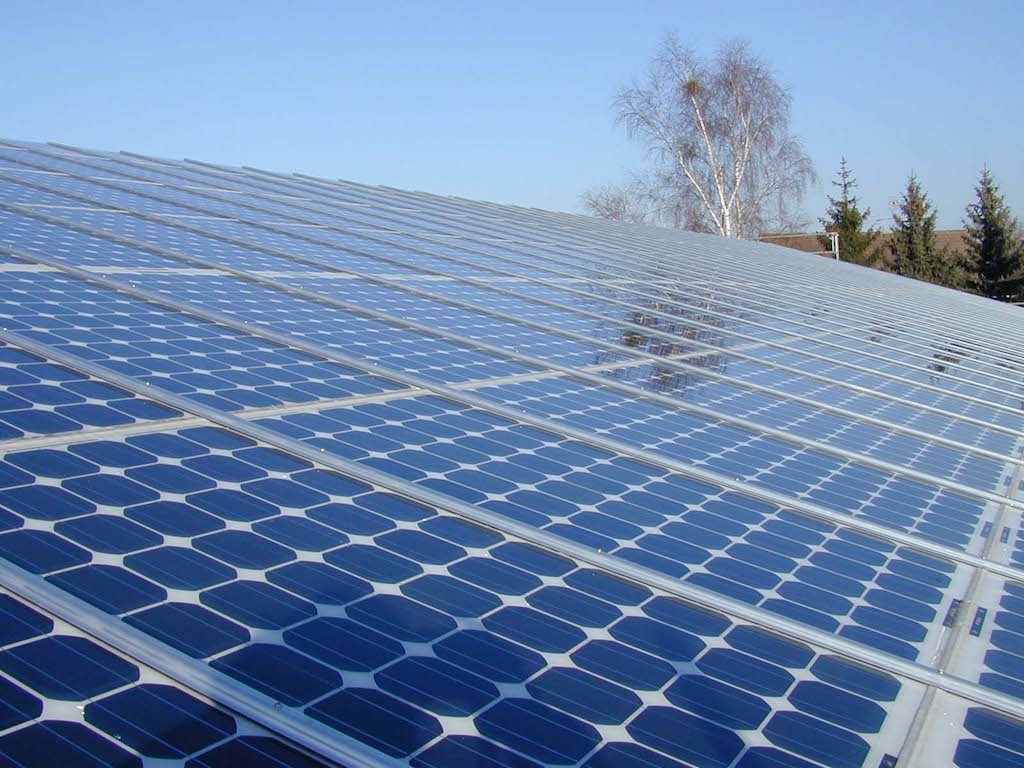
Solar panels, also called solar photovoltaic (PV) systems, collect and convert sunlight into electricity. These systems can be tied to your current electrical grid or be off-the-grid to provide self-sufficient electricity.

Getting started

Step 1: Assess
  1. Review information provided in your electricity bill or contact your local utility provider to determine your yearly household electricity usage in kilowatt hours.
  2. Ask a qualified contractor to provide an assessment of the suitability of your home for solar energy generation. The contractor can assess your roofs solar potential, determine the amount of energy that can be produced, identify suitable products, and provide a quote for installation.
  3. To find a qualified contractor, contact your local utility provider or visit the Canadian Solar Industries Association at www.cansia.ca.
  4. Research provincial and municipal environmental incentive programs.
  5. Compare how much electricity you currently use against how much electricity your solar panels will produce to assess your potential for savings.
  6. Contact your local utility provider to discuss what approvals and permits you require. Some utilities will also require specific insurance for the system.
  7. Contact your municipality to determine what permits are required  if any.
For details on TD loans and mortgage products that offer discount rates for renewable energy project go to the TD Renewable Energy page.

Step 2: Plan

Meet with TD to discuss financing options for your renewable energy project. Financing for solar panels purchased through a qualified building contractor and installer is available through TD Financing Services at www.tdfinancingservices.com. Purchase CSA®-approved solar panels for your home and you will be eligible for a cash rebate for your Home Equity Line of Credit.

  1. Hire a qualified contractor to install your equipment and complete an electrical safety inspection of your project.Ask for references and make sure the contractor is licensed.
  2. Review your contract carefully so that you clearly understand the responsibilities and terms.
Step 3: Installation
  1. Work with your contractor and utility provider to connect your system and understand how to operate and maintain it.
  2. Make sure that all permits and inspections are complete.
  3. Confirm any administrative details required to receive environmental incentives or link into utility programs.
Step 4: Enjoy!
  1. Take pride in the fact that you are reducing your energy footprint and impact on the environment, enhancing the value of your home, and helping to diversify our electricity supply.


The Earth receives more energy from the sun in just one hour than the world uses in a whole year. By harnessing this energy, you can make a difference. TD is here to help. Visit your local TD Canada Trust branch today to discuss your options to install solar panels on your home. To find out more, visit www.td.com/renewableenergy.

Glossary of terms

Electrical grid  a system for delivering electricity from a utility provider to homes and businesses.
Off-the-grid  a system that runs on renewable energy sources independent of a conventional public utility.
Kilowatt hour (kWh)  a watt measures a unit of power, a kilowatt (kW) is a thousand watts. A kilowatt hour (kWh) is a thousand watt hours. Most electricity bills are measured in kWh.
Renewable energy  obtained from natural resources that can be replenished or renewed within a human lifespan, such as biomass, geothermal, hydro-electric, solar and wind. Renewable energy sources have less environmental impact than conventional energy sources such as oil or coal.
Solar cell (photovoltaic cells)  a device that converts the energy of sunlight directly into electricity.
Solar energy  comes from the sun and is turned into electricity and heat. The suns energy is harnessed by solar panels - which run generators - providing electricity.
Solar panel (photovoltaic panel)  a panel that contains a number of solar cells (photovoltaic cells).
Solar system (photovoltaic solar system)  produces electricity directly from sunlight using solar cells (photovoltaic cells).

 
SOLAR VILLAGE eNEWS
 
Enter your email to get Solar Village eNews.


DVD EXCLUSIVE
 
Solar City
PLUS 2 BONUS DVDs
Solar House Solar World
 
LATEST NEWS
 
Proof Canada could be 100% powered by renewable energy
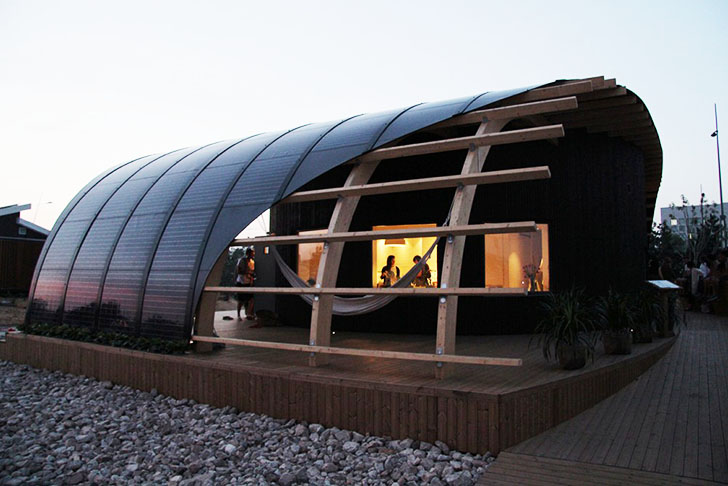
Permaculture Solar House for Heating and Cooling
Oil, gas, coal, and nuclear industries are NOT really profitable
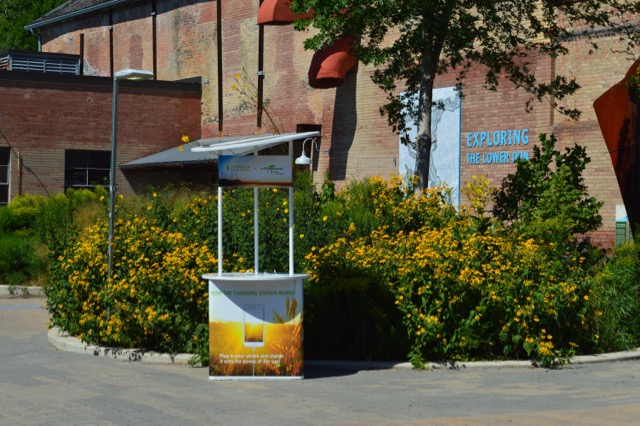
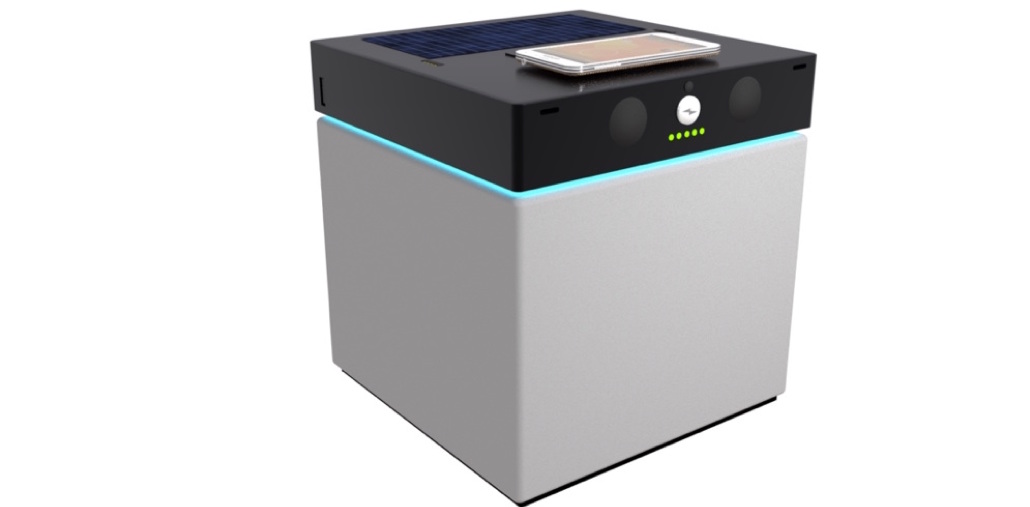
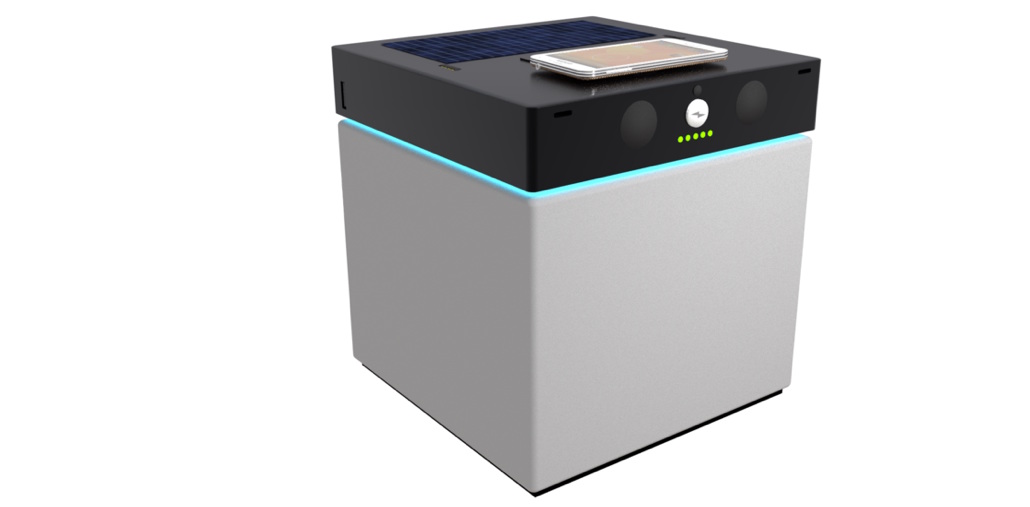
Charge Up Your Phone with Solar
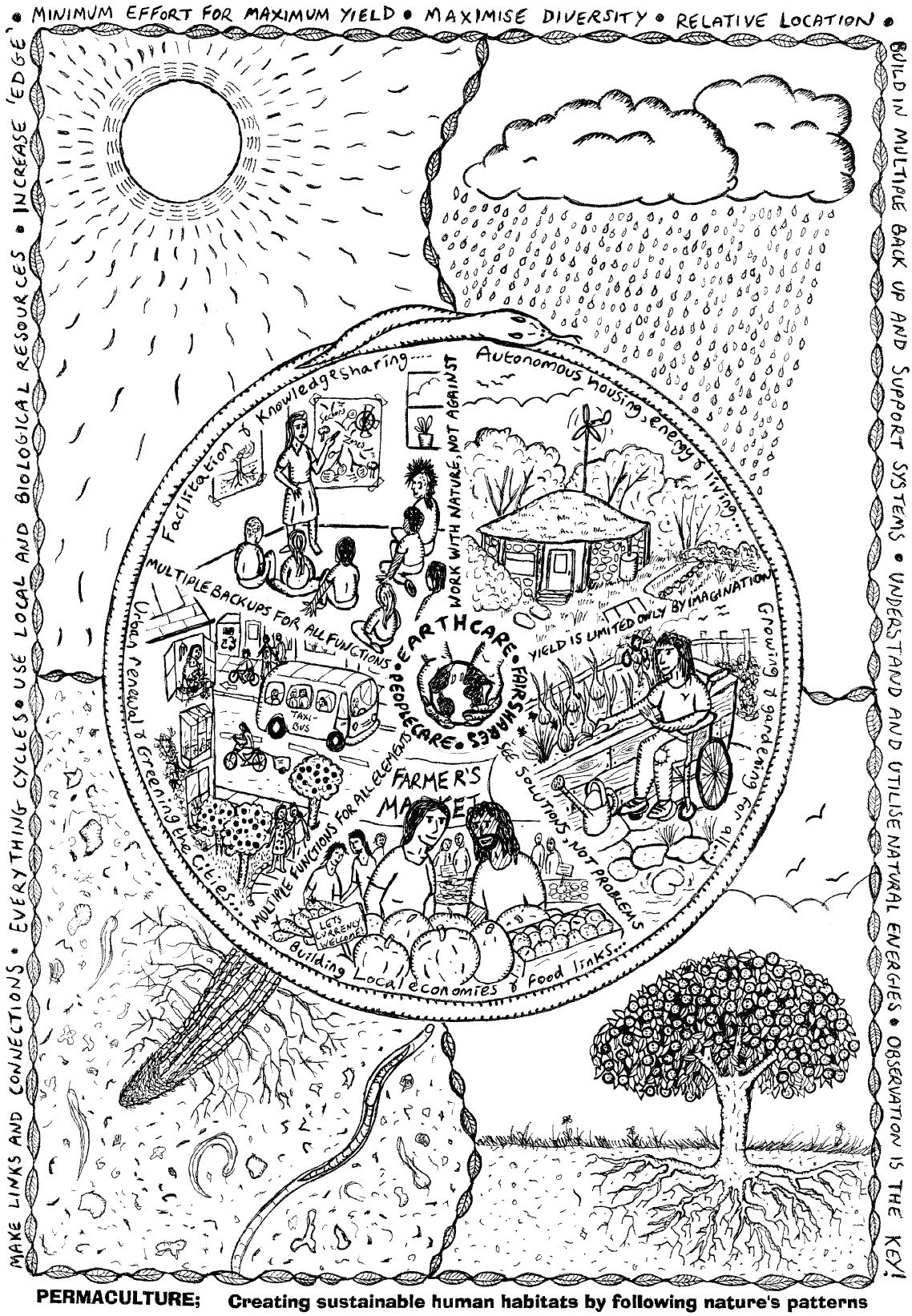
Introduction to Permaculture
 
MOST POPULAR NEWS
 
VIDEO: Ontario Feed-In Tariff ( FIT ) for renewable energy proves 100% is achievable
Bullfrog Power adds Green Natural Gas
Carbon Nation: Climate Change Solutions Movie
Video: Greenest House in Canada?
Solar based ecological restoration and biomimicry
Occupy Ideas into Action
Uganda produces electric car prototype
Green natural gas now available in Canada
Solar collector also works as a greenhouse rooftop
Terrified? Inspired? Ontario makes $15 billion investment in renewable energy
 
UPCOMING EVENTS
 
Apr 22, 13
Earth Day


PHOTO LINKS
 
Permaculture, Natural Living Journal sample issue
Military use of solar
Free Energy with PlusEnergy House
Solar Apartment/Condo
Hope for a Change: Renewable Energy
 
CO2 350 GOAL
 
             
 Copyright © 2010 World Peace Communications